
How to Make Your Resume Stand Out in 2026’s Competitive Job Market
The job market in 2026 is highly competitive, and submitting a generic resume to every vacancy is unlikely to produce the best results. Employers increasingly want candidates who can demonstrate relevant skills, measurable achievements, adaptability, and a clear understanding of the position they are applying for.
At the same time, many organizations use applicant tracking systems (ATS) to help organize and filter applications. This means your resume needs to work for both technology and human recruiters.
Learning how to make your resume stand out in 2026 therefore involves more than choosing an attractive template. You need to communicate your professional value quickly, use relevant keywords naturally, demonstrate results, and make the document easy to scan.
A strong resume should answer three important questions:
What can you do?
What have you achieved?
Why are you a good fit for this particular position?
When those answers are immediately visible, your resume has a better chance of making a positive first impression.

Why Your Resume Matters in 2026
Recruiters can receive numerous applications for a single position. Consequently, candidates need to make their qualifications easy to understand.
A resume isn’t supposed to contain every detail about your career. Instead, it should highlight the experiences, skills, and achievements most relevant to the opportunity.
For example, if you’re applying for a business analyst position, your resume should emphasize areas such as data analysis, reporting, business requirements, stakeholder communication, process improvement, and relevant technology.
A resume for a virtual assistant position would emphasize different capabilities, such as administration, scheduling, communication, customer service, CRM systems, and organization.
Therefore, the same resume shouldn’t necessarily be used unchanged for every job.

1. Tailor Your Resume to Every Job
One of the most effective ways to improve your resume is to customize it for the specific position.
Start by carefully reading the job description.
Identify:
- Required qualifications
- Preferred qualifications
- Technical skills
- Soft skills
- Software or platforms
- Industry terminology
- Responsibilities
- Experience requirements
Then determine which of these requirements genuinely match your background.
For example, if an employer repeatedly mentions project coordination, make sure your relevant project coordination experience is clearly visible.
However, don’t simply copy every keyword into your resume. Keywords should accurately represent skills you actually possess.
2. Make Your Professional Summary Count
The professional summary is often one of the first sections a recruiter sees.
Instead of writing a vague statement such as
“Hardworking individual looking for an opportunity to grow.”
Use the space to communicate your professional identity and strongest capabilities.
A strong summary can mention:
- Your profession
- Years or level of experience
- Key areas of expertise
- Relevant industries
- Major strengths
- Career value you can provide
For example:
Economics and business professional with experience in market research, financial analysis, business consulting, and data-driven decision-making. Skilled in translating complex information into practical insights and supporting strategic business objectives.
The exact wording should reflect your actual background.
The objective is to give recruiters a quick reason to continue reading.
3. Focus on Achievements, Not Just Duties
One of the biggest differences between an average resume and a compelling resume is the way experience is described.
A weak bullet point might say:
“Responsible for preparing reports.”
A stronger version could say:
“Prepared recurring performance reports that helped management monitor key business trends and identify areas requiring attention.”
The second version explains the purpose and impact of the work.
Whenever possible, quantify achievements using accurate figures.
Useful measurements can include:
- Revenue
- Cost savings
- Time saved
- Number of customers
- Number of projects
- Team size
- Sales growth
- Productivity improvements
- Processing volume
- Accuracy rates
Don’t invent statistics simply to make your resume look impressive. Use figures you can reasonably substantiate.

4. Use Strong Action Verbs
Your resume should sound active and results-oriented.
Instead of repeatedly using phrases such as “responsible for,” use action verbs that accurately describe what you did.
Examples include:
- Analyzed
- Coordinated
- Developed
- Managed
- Implemented
- Improved
- Designed
- Researched
- Negotiated
- Streamlined
- Created
- Evaluated
- Delivered
- Supported
- Led
For example:
Before:
Responsible for managing customer inquiries.
After:
Managed customer inquiries and coordinated timely responses to improve the customer-service process.
The second version immediately communicates action.

5. Include the Right Skills
Your skills section should be relevant rather than excessively long.
Depending on your career, useful categories might include:
Technical Skills
- Microsoft Excel
- SQL
- Data analysis
- CRM systems
- WordPress
- Project management software
- Cloud platforms
- Digital marketing tools
Professional Skills
- Communication
- Research
- Problem-solving
- Project coordination
- Stakeholder management
- Analytical thinking
- Time management
Prioritize skills that appear in the job description and that you can genuinely demonstrate.
6. Understand Applicant Tracking Systems
An applicant tracking system can help employers organize and process applications.
Because of this, resume formatting can matter.
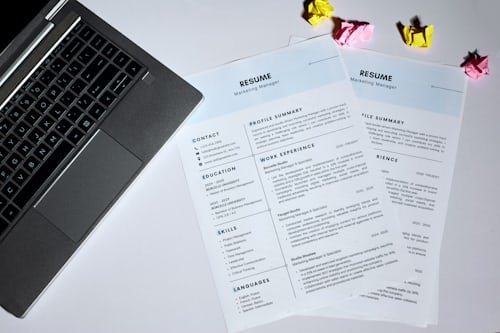
A straightforward resume structure is generally easier for automated systems and recruiters to process.
Use conventional headings such as
- Professional Summary
- Work Experience
- Education
- Skills
- Certifications
- Projects
Avoid unnecessarily complicated layouts that could make important information difficult to identify.
Tables, text boxes, graphics, unusual columns, headers, footers, and decorative elements can sometimes interfere with automated parsing depending on the system.
A clean, readable structure is usually the safer approach.

7. Use Keywords Naturally
Keywords can help demonstrate that your background matches the vacancy.
For example, if a job description requests:
“Data analysis, Excel, reporting, stakeholder management, and business intelligence.”
And if you genuinely possess those skills, they should appear naturally in the relevant sections of your resume.
You might write:
“Used Excel and data-analysis techniques to prepare business reports and communicate findings to stakeholders.”
This is more effective than creating a separate block containing dozens of keywords.
Never include skills you don’t actually have simply because they appear in a job advertisement.
8. Keep the Design Professional
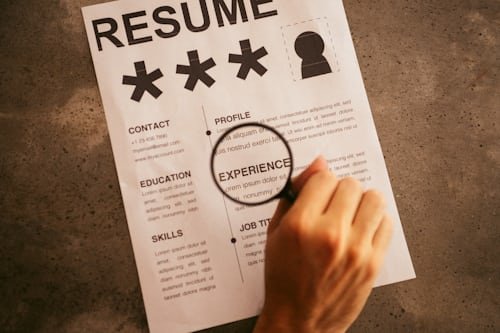
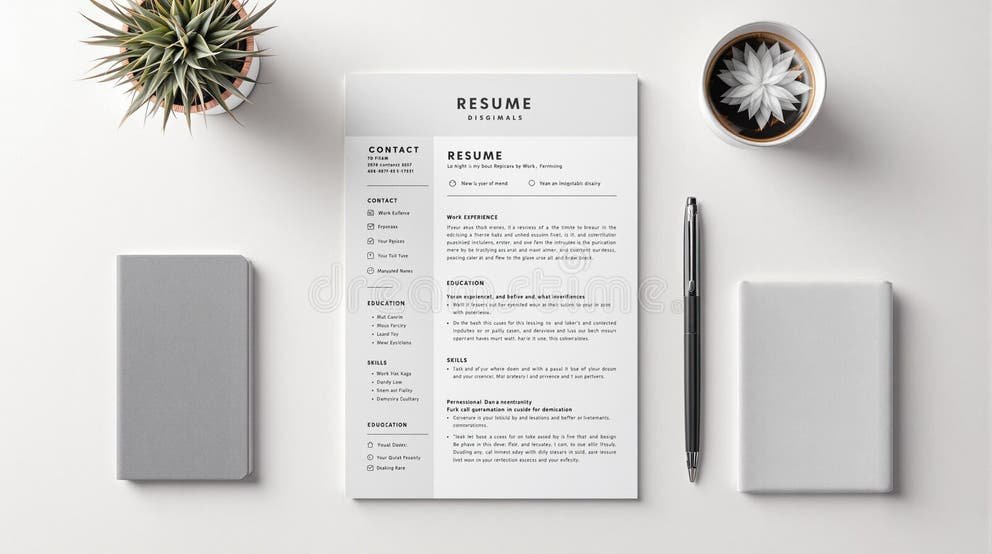
Your resume doesn’t need elaborate graphics to stand out.
In many cases, simplicity is an advantage.
Use:
- Clear headings
- Consistent spacing
- Readable typography
- Logical sections
- Bullet points
- Consistent date formatting
- Adequate white space
Your design should support the content rather than compete with it.
For most corporate, administrative, finance, technology, consulting, and professional positions, a clean and modern layout is usually more appropriate than an excessively decorative design.
Creative professionals may have more flexibility, particularly when a visual portfolio is expected.
9. Highlight Relevant Certifications
Certifications can strengthen a resume when they are relevant to the role.
Examples might include certifications related to:
- Project management
- Data analytics
- Cybersecurity
- Cloud computing
- Digital marketing
- Microsoft technologies
- Accounting
- Human resources
List the certification name, issuing organization, and completion date where appropriate.
However, don’t fill your resume with unrelated certificates.
A hiring manager is more likely to value a qualification that directly supports the position you’re applying for.

10. Showcase Technology and AI Literacy
Technology skills are increasingly relevant across many occupations.
Even non-technical professionals may benefit from demonstrating familiarity with digital tools that are genuinely relevant to their work.
Depending on the position, this could include:
- Data-analysis software
- Collaboration platforms
- CRM systems
- Automation tools
- Content-management systems
- Digital communication platforms
- AI-assisted productivity tools
Don’t simply write “AI expert” unless you can substantiate that claim.
Instead, explain how you have used relevant technology.
For example:
“Used AI-assisted research and productivity tools to support content development while reviewing outputs for accuracy and relevance.”
This communicates practical application rather than buzzwords.

11. Showcase Remote-Work Skills
Remote and hybrid positions require more than simply being able to work from home.
Employers may look for evidence that you can communicate effectively, manage deadlines, collaborate digitally, and work independently.
If you have genuine remote-work experience, highlight relevant capabilities such as
- Virtual collaboration
- Online meetings
- Digital project management
- Independent time management
- Written communication
- Remote customer support
- Cloud-based document management
- Digital productivity tools
For example, instead of simply writing:
“Worked remotely.”
You could write:
“Coordinated projects remotely using digital collaboration and project-management tools while maintaining deadlines across distributed teams.”
This provides considerably more information about how you worked.

12. Connect Your Resume With LinkedIn
Your resume and LinkedIn profile should tell a consistent professional story.
Recruiters may look at your online professional presence after reviewing an application, so discrepancies can create unnecessary questions.
Check that your:
- Job titles
- Employment dates
- Education
- Certifications
- Professional specialization
- Major achievements
are reasonably consistent across both.
However, your LinkedIn profile can contain more detail than your resume.
Use your resume to present a focused application for a particular position, while your LinkedIn profile can provide a broader overview of your professional experience.
13. Add Relevant Projects
Projects can be extremely valuable when you have limited professional experience or are transitioning into a new career.
A project demonstrates that you’ve actually applied a skill.
For example:
Data Analysis Project
Analyzed a publicly available dataset, identified trends, created visualizations, and presented the findings in a concise report.
Website Project
Designed and launched a responsive website using relevant web development and content management tools.
Marketing Project
Developed a sample digital marketing campaign involving audience research, keyword planning, content creation, and performance measurement.
Projects don’t necessarily have to come from formal employment. Academic work, freelance assignments, personal projects, volunteer activities, and appropriate simulated projects can demonstrate practical abilities.
Just make sure you clearly identify the nature of the project.

14. Emphasize Transferable Skills
Changing careers doesn’t mean starting from zero.
You may already possess skills that can transfer into another industry.
For example, someone working in administration may have transferable skills in:
- Organization
- Scheduling
- Customer service
- Communication
- Data management
- Problem-solving
Those skills could potentially apply to roles in operations, project coordination, customer success, virtual assistance, or other related areas.
When changing careers, don’t focus exclusively on your previous job title.
Instead, identify the capabilities you’ve developed and explain how they relate to your target position.

15. Address Employment Gaps Professionally
Employment gaps don’t automatically disqualify candidates.
If you have a gap, focus on presenting your experience honestly and professionally.
Depending on the circumstances, you may have used that period for:
- Education
- Certification
- Freelancing
- Volunteering
- Personal projects
- Career development
- Family responsibilities
- Job searching
You don’t need to provide an unnecessarily detailed explanation on your resume.
Instead, highlight legitimate activities that demonstrate continued development where applicable.
For example:
Professional Development | 2025–2026
Completed professional courses in data analytics and digital marketing while developing independent portfolio projects.
Only include activities that genuinely occurred.

16. Keep Your Resume Focused
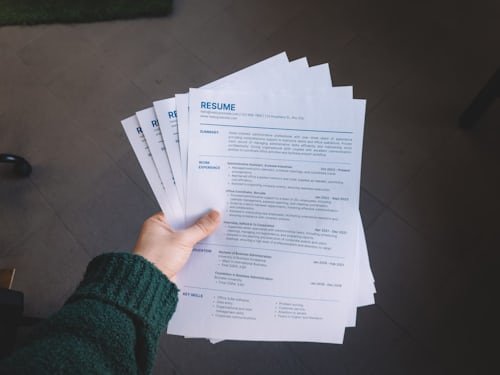
A resume shouldn’t be a complete autobiography.
The ideal length depends on your experience, industry, seniority, and the requirements of the application.
For many early- and mid-career professionals, a focused one- or two-page resume can be sufficient.
More experienced candidates may require additional space when their career history is extensive and directly relevant.
The key question is not
“How many pages should my resume be?”
Instead, ask:
“Does every section help demonstrate that I am qualified for this position?”
Remove outdated or irrelevant information when it doesn’t contribute to your application.
17. Make Your Contact Information Easy to Find
Your contact details should be immediately visible.
Typically, include:
- Full name
- Phone number
- Professional email address
- City or general location
- LinkedIn profile, if relevant
- Portfolio or professional website, if relevant
You generally don’t need to include excessive personal information.
Avoid unprofessional email addresses, unnecessary photographs, identification numbers, or other personal details unless specifically required by local norms or the employer.
For privacy and security, only provide information that is appropriate and necessary for the application.

18. Use Numbers Wherever They Strengthen Your Story
Numbers can make achievements more concrete.
Compare:
“Improved customer service.”
with:
“Reduced average customer response time by 25% by reorganizing the inquiry-handling process.”
The second statement provides measurable evidence.
Useful metrics might include:
- Percentage increases
- Time reductions
- Revenue generated
- Costs reduced
- Customers served
- Projects completed
- Team members supported
- Reports produced
- Processing volumes
Again, accuracy matters. Never invent figures simply to make your resume appear stronger.
If exact numbers aren’t available, describe the scope of your contribution honestly.

19. Proofread Your Resume Carefully
A strong professional history can be undermined by simple errors.
Before submitting your resume, check for:
- Spelling mistakes
- Grammar errors
- Incorrect dates
- Inconsistent job titles
- Duplicate information
- Broken links
- Incorrect contact details
- Formatting inconsistencies
Read the document more than once.
It can also help to read the resume aloud because this can make awkward sentences easier to identify.
If possible, have another person review it before submitting an important application.

20. Avoid Resume Buzzword Overload
Words such as “dynamic,” “passionate,” “results-driven,” and “hardworking” can become meaningless when they’re used without evidence.
Instead of saying:
“I’m a highly motivated and results-driven professional.”
Show the result:
“Improved monthly reporting efficiency by streamlining data collection and report preparation.”
Evidence is usually more persuasive than adjectives.
Use professional terminology where appropriate, but make sure the language remains natural and understandable.
Common Resume Mistakes to Avoid in 2026
Even a well-qualified candidate can weaken their application through avoidable mistakes.
Using the Same Resume Everywhere
A generic resume may not clearly demonstrate your suitability for a particular position.
Listing Duties Without Results
Recruiters need to understand the value you created, not just what tasks you performed.
Including Unrelated Skills
More skills don’t necessarily mean a stronger application.
Using Complicated Formatting
An overly elaborate design can make your resume harder to read or parse.
Making Unsupported Claims
Don’t claim expertise, certifications, achievements, or experience you don’t possess.
Ignoring the Job Description
Your resume should respond to the employer’s actual requirements.
Submitting Without Proofreading
A careless spelling or formatting error can create an avoidable negative impression.

A 2026 Resume Checklist
Before clicking Submit, review your resume against this checklist:
☐ Is the focus of the resume immediately clear?
☐ Is the professional summary relevant to the position?
☐ Have you included the most important job-related skills?
☐ Does your experience contain measurable achievements where appropriate?
☐ Have you used relevant keywords naturally?
☐ Is the formatting clean and easy to scan?
☐ Is the document compatible with common ATS parsing?
☐ Are your employment dates accurate?
☐ Are your contact details correct?
☐ Are your certifications relevant and accurate?
☐ Have you included meaningful projects where useful?
☐ Does your LinkedIn profile broadly match your resume?
☐ Have you removed unnecessary information?
☐ Have you proofread the entire document?
☐ Have you saved the final version in the format requested by the employer?

How to Make Your Resume Stand Out Without Exaggerating
Standing out doesn’t mean making your resume sound unrealistic.
In fact, exaggeration can work against you if an interviewer asks you to demonstrate a claimed skill.
Instead, focus on specificity.
Don’t say:
“Excellent Excel skills.”
Explain what you can actually do:
“Used Excel to clean datasets, create formulas, prepare reports, and analyze business performance.”
Don’t say:
“Strong leadership abilities.”
Explain the experience:
“Coordinated a five-person project team and monitored deliverables to ensure deadlines were met.”
Specific descriptions allow employers to understand your actual capabilities.

Your Resume Should Tell a Clear Story
The strongest resumes aren’t simply collections of qualifications.
They tell a coherent professional story.
A recruiter should be able to look at your resume and understand:
Where you’ve been → what you’ve learned → what you’ve achieved → what you can contribute next.
For example, someone transitioning from administration into project management could emphasize coordination, scheduling, stakeholder communication, documentation, process improvement, and project-related responsibilities.
That creates a logical connection between previous experience and the desired career.
Your resume should make that connection obvious rather than forcing the recruiter to discover it themselves.

Final Thoughts
Knowing how to make your resume stand out in 2026 isn’t about creating the most colorful or complicated document.
It’s about creating a resume that is relevant, readable, evidence-based, keyword-aware, and tailored to the position.
Start by understanding the employer’s requirements. Then highlight the skills and experiences that genuinely match those requirements.
Use strong action verbs, demonstrate achievements with accurate numbers, include relevant certifications and projects, and make your professional summary immediately communicate your value.
At the same time, remember that applicant tracking systems are only part of the recruitment process. A resume should ultimately be easy for a human recruiter or hiring manager to understand.
Avoid unnecessary graphics, excessive buzzwords, unsupported claims, and irrelevant information. Keep your formatting professional and your information accurate.
Most importantly, don’t try to make your resume look impressive at the expense of making it truthful.
A strong resume doesn’t need to claim that you’re an expert at everything. It needs to make a convincing, evidence-based case for why your actual experience and skills make you a strong candidate for the specific role.
In a competitive 2026 job market, that combination of relevance, clarity, authenticity, and measurable value can give your application a much stronger foundation.
Related posts:
 Stand Out in the 2026 Job Market: Your Complete Career Guide”
 The Ultimate Guide to Active Job Searching: Strategies to Stand Out in 2026
 Employment & Job Market Trends in 2026: Key Workforce Changes and Career Opportunities
 Hidden Side Hustles for 2026: Unique Ways to Earn More
 Upskilling Trends in 2026: Courses, Certifications & Online Learning Platforms
 Upskilling Trends in 2026: Courses, Certifications, and Online Learning Platforms