
Upskilling Trends in 2026: Courses, Certifications, and Online Learning Platforms
The world of work continues to change, and professionals are increasingly looking beyond traditional qualifications to remain competitive. Technology, artificial intelligence, automation, remote work, cybersecurity, data analytics, and digital transformation are influencing the skills employers need.
As a result, upskilling trends in 2026 are increasingly focused on practical knowledge, technology-related capabilities, industry-recognized certifications, and flexible online learning.
Upskilling means developing new abilities that can improve your performance in your existing career or prepare you for new professional opportunities. Unlike traditional education, upskilling can often take place while you continue working.
For some people, this may mean completing a short online course. For others, it could involve earning an industry certification, learning a new software platform, developing a portfolio, or completing a structured professional program.
The growing availability of online education means that learners can choose from thousands of courses covering everything from artificial intelligence and cybersecurity to marketing, finance, project management, programming, communication, and entrepreneurship.
However, having more choices also creates a challenge: Which skills are actually worth learning?

Why Upskilling Matters in 2026
Employers increasingly operate in environments where technologies and processes can change rapidly.
A skill that was highly valuable several years ago may still be useful, but employees may now need additional digital capabilities to apply it effectively.
For example, an accountant may benefit from data analytics and automation skills. A marketer may need knowledge of AI-assisted content creation and analytics. An administrator may need stronger digital collaboration and workflow-automation skills.
Therefore, upskilling isn’t necessarily about abandoning your existing profession. Instead, it can involve adding complementary skills that make your current expertise more valuable.
Benefits of upskilling can include:
- Improving employability
- Qualifying for new positions
- Increasing workplace productivity
- Supporting career advancement
- Preparing for career changes
- Developing confidence with technology
- Building a stronger professional portfolio

1. AI Skills Are Becoming a Major Learning Priority
Artificial intelligence is one of the most significant forces influencing professional development in 2026.
AI-related learning is no longer restricted to software engineers. Professionals across different industries are exploring ways to use AI for research, productivity, analysis, communication, content development, and automation.
AI-related courses may cover:
- Generative AI fundamentals
- AI productivity tools
- Prompt design
- Machine learning
- Data analysis
- AI automation
- Responsible AI
- AI-assisted business processes
The right level of AI training depends on your career.
A marketing professional may benefit from learning how to use AI for research and campaign planning, while a developer may need deeper knowledge of machine learning or AI application development.
The important point is to focus on practical applications rather than learning technology simply because it is trending.

2. Short, Career-Focused Courses
Long academic programs aren’t the only way to develop professional skills.
Short courses have become increasingly attractive because they can allow learners to focus on one specific capability without committing to a multi-year program.
Examples include courses covering:
- Excel and data analysis
- Digital marketing
- Project management
- Cybersecurity
- Graphic design
- Business communication
- Coding
- Cloud computing
- Search engine optimization
Short courses can be particularly useful for people who already have professional experience but need to add a specific skill.
Before enrolling, check the course syllabus, instructor credentials, reviews where available, practical components, and whether the learning outcomes match your career objectives.

3. Industry Certifications
Certifications can provide structured evidence that you have studied a particular subject or technology.
Depending on your career, certifications may cover areas such as
- Cloud computing
- Cybersecurity
- Project management
- Data analytics
- Digital marketing
- Human resources
- IT support
- Business analysis
However, not every certification has equal value.
Before paying for a credential, research job advertisements for the positions you want. Look for certifications that employers repeatedly mention or recognize.
A useful certification should ideally complement your existing education and experience rather than simply add another line to your CV.
4. Skills-Based Learning
One of the most important upskilling trends in 2026 is the increasing focus on what learners can actually do.
Instead of learning only theoretical concepts, professionals are increasingly building practical capabilities.
For example, a person studying data analysis could:
- Learn spreadsheet fundamentals.
- Study data-cleaning techniques.
- Analyze a real dataset.
- Create visualizations.
- Write a report explaining the findings.
- Add the completed project to a professional portfolio.
This approach creates tangible evidence of competence.
The same principle applies to other careers. If you’re learning web development, build a website. If you’re studying digital marketing, create a sample campaign. If you’re learning project management, develop a realistic project plan.

5. Online Learning Platforms Continue Expanding
Online learning platforms have made professional development more accessible.
Depending on your goals, you may find courses through platforms such as
- Coursera
- Udemy
- edX
- LinkedIn Learning
- Google learning and certification programs
- Microsoft learning resources
Each platform has different course structures, pricing models, instructors, certificates, and areas of specialization.
Rather than choosing a platform simply because it is popular, start with the skill you want to acquire and then compare the available learning options.

6. Flexible and Self-Paced Learning
Flexible learning is particularly useful for working professionals.
Self-paced courses allow learners to study according to their own schedules rather than attending classes at fixed times.
This can make online education suitable for people who:
- Work full-time
- Run businesses
- Have family responsibilities
- Live far from training institutions
- Prefer independent study
- Need to learn around changing schedules
However, flexibility requires discipline.
Without scheduled classes, learners need to create their own deadlines and consistently allocate time to their studies.

7. Learning Through Professional Projects
Another major development is the integration of learning with practical projects.
Instead of simply watching lectures, learners can work on projects that simulate workplace situations.
For example, a business learner might analyze a company’s hypothetical performance. A cybersecurity student could work through a controlled security exercise. A marketing student might develop a complete digital campaign.
Projects can improve understanding because they require learners to apply concepts rather than merely memorize information.
They can also become useful portfolio material when applying for jobs.

Choosing the Right Course in 2026
With thousands of courses available, choosing the right one can be difficult.
Before enrolling, ask yourself:
Does it match my career goal?
A course should help you move toward a specific professional objective.
Is the content current?
Technology-related subjects can change quickly. Check when the course was created or updated.
Does it include practical work?
Exercises and projects can make learning more useful.
Is the provider credible?
Research the organization, instructors, accreditation, and reputation where relevant.
Will employers recognize the credential?
Not every certificate carries the same professional value.
Does the cost make sense?
Consider the expected career benefit rather than assuming that an expensive course is automatically better.
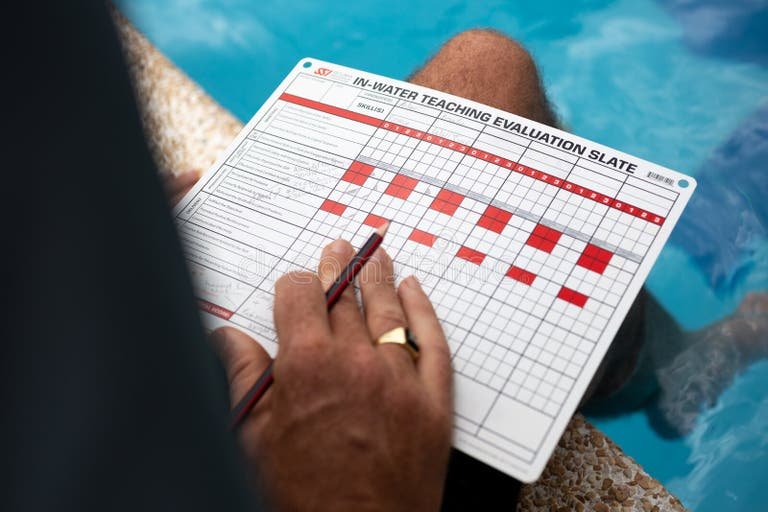
Don’t Collect Certificates Without Building Skills
One common mistake is focusing on certificates rather than competence.
A CV containing numerous certificates may look impressive, but employers may still ask:
“What can you actually do?”
A better strategy is to connect each qualification with practical evidence.
For example:
Certificate: Data Analytics
Practical evidence: Completed a business data analysis project and created a dashboard.
Certificate: Digital Marketing
Practical evidence: Developed a sample SEO and social media campaign.
Certificate: Project Management
Practical evidence: Created a project schedule, risk register, stakeholder plan, and completion report.
This creates a stronger connection between education and employability.

8. Micro-Credentials Are Becoming More Important
Micro-credentials are short, focused qualifications designed to demonstrate specific skills rather than broad academic knowledge.
They can include professional certificates, digital badges, specialized programs, and other forms of assessed learning.
Interest in these credentials has increased as employers look for clearer evidence of what candidates can do. Coursera reported a 91% year-over-year increase in Professional Certificate enrollments across the career areas analyzed in its 2026 Job Skills Report.
However, the value of a micro-credential depends heavily on its quality and relevance.
When choosing one, consider whether it:
- Is connected to your target occupation
- Comes from a credible provider
- Includes assessments
- Contains practical projects
- Is recognized by relevant employers
- Demonstrates a clearly defined skill
A short credential that proves a useful skill can sometimes be more relevant to a particular job search than a generic certificate with little connection to the position.

9. Practical Learning Is Taking Priority
One of the biggest upskilling trends in 2026 is the shift from simply consuming educational content toward actually applying new skills.
Watching hours of video lessons may introduce you to a subject, but practical application helps you determine whether you can perform the task independently.
For example, someone learning cybersecurity could complete controlled security exercises. A marketing learner could create a campaign. A data student could analyze a real dataset, while an aspiring developer could build a working application.
Learning providers are increasingly emphasizing applied learning and real-world projects. Udemy’s 2026 trends report, for example, highlights immersive learning and practicing skills within real-world contexts rather than relying exclusively on instruction.

10. AI Fluency Is Becoming a General Workplace Skill
AI learning is moving beyond specialist technology departments.
In 2026, professionals in many fields are exploring how AI can support everyday workflows, decision-making, research, communication, and productivity.
This means AI fluency can involve understanding:
- What AI tools can and cannot do
- How to evaluate AI-generated information
- How to write effective prompts
- How to protect confidential information
- How to integrate AI into workflows
- When human judgment is required
- Responsible and ethical AI use
Current learning data reflects this shift. Coursera reported a 234% year-over-year increase in generative-AI enrollments among enterprise learners in its 2026 Job Skills Report.
At the same time, AI should not be treated as a substitute for fundamental professional skills. Critical thinking, communication, collaboration, and decision-making remain important complements to technology.

11. Mobile and Flexible Learning Are Expanding
For people who work, study, run businesses, or have family responsibilities, flexible education can make professional development easier to manage.
Mobile-friendly and self-paced learning allows people to study when their schedules permit.
This can be particularly useful in markets where learners may have limited access to traditional training facilities. A 2026 comparative education report highlights mobile-friendly, flexible learning and practical skills as important preferences in several developing-market contexts, including South Africa.
Mobile learning can include:
- Short video lessons
- Mobile quizzes
- Downloadable resources
- Online assessments
- Digital flashcards
- Mobile-friendly course platforms
Nevertheless, convenience should not come at the expense of quality. Before enrolling, verify that the course provides meaningful instruction and relevant assessments.

12. Employer-Sponsored Upskilling Is Growing
Not all professional development has to be paid for personally.
Some employers provide employees with access to courses, certification programs, internal training, mentorship, or learning platforms.
This is particularly relevant in areas where organizations face skills shortages.
A 2026 Pearson report found that 83% of surveyed organizations planned to address IT skills gaps through training or upskilling existing employees, while 78% of those investing in upskilling planned to invest in certification programs.
If you are already employed, check whether your organization offers:
- Training budgets
- Learning platforms
- Certification reimbursement
- Internal workshops
- Professional development days
- Mentorship programs
- Tuition assistance
Taking advantage of these benefits can reduce the personal cost of career development.

13. Human Skills Still Matter
The growing emphasis on AI and technology doesn’t mean traditional workplace skills are disappearing.
In fact, many learning trends point toward a combination of technical and human capabilities.
Important human skills include:
- Critical thinking
- Leadership
- Communication
- Collaboration
- Problem-solving
- Adaptability
- Creativity
- Decision-making
Coursera’s 2026 skills data, for example, shows strong growth in learning around critical thinking and other foundational professional capabilities alongside technical AI skills.
This suggests that the strongest professional development strategy may not be choosing between technology and human skills, but developing both.

14. Skills-Based Career Planning Is Becoming More Practical
Traditional career planning often begins with a job title.
A more flexible approach is to begin with skills.
Instead of saying:
“I want to become a data analyst.”
Break the goal down into capabilities such as:
- Spreadsheet analysis
- Statistics
- Data visualization
- SQL
- Business communication
- Problem-solving
You can then identify which skills you already possess and which ones require development.
This creates a more practical learning pathway because every course or certification has a specific purpose.
15. How to Create Your 2026 Upskilling Plan
A simple plan can prevent you from spending money on courses that don’t contribute to your career goals.
Step 1: Choose Your Target
Decide whether you want to advance in your current career, change industries, qualify for remote work, or build a side business.
Step 2: Research Job Requirements
Look at current job advertisements for the roles you’re interested in. Record the skills and qualifications employers repeatedly mention.
Step 3: Identify Your Skill Gaps
Compare those requirements with your existing abilities.
Step 4: Choose Appropriate Training
Select courses, certifications, projects, or other learning experiences that directly address the gaps.
Step 5: Apply What You Learn
Create practical projects or use your new abilities at work.
Step 6: Document Your Progress
Add relevant qualifications and skills to your CV and professional profiles, while also recording measurable achievements.
Step 7: Reassess Regularly
Review your plan every few months because technology and employer requirements can change.

How to Choose Between Courses and Certifications
Courses and certifications serve different purposes.
A course may be ideal when you need to learn a particular subject or skill.
A certification can be more useful when you need formal evidence that you have achieved a recognized standard.
For example, you might take a course to learn the fundamentals of project management and then pursue a recognized certification if it aligns with your career goals.
Don’t assume that every certification will improve your employment prospects. Research the specific credential before spending money.
The best option is one that connects directly to a career objective and provides skills or evidence that employers value.

Common Upskilling Mistakes to Avoid
Taking Too Many Courses
Completing ten courses without applying what you learned may be less useful than completing two relevant courses and developing practical projects.
Chasing Every AI Trend
Technology changes quickly. Focus on durable skills and practical applications rather than attempting to learn every new tool.
Ignoring Employer Requirements
A course can be interesting without being relevant to the career you want.
Choosing Credentials Based Only on Price
Expensive does not automatically mean better, while free does not automatically mean poor quality.
Forgetting to Build Evidence
Don’t just say that you have a skill. Whenever possible, demonstrate it through projects, work achievements, portfolios, assessments, or relevant experience.

Turning Online Learning Into Career Opportunities
Completing a course is only the beginning.
After finishing your training, update your professional materials and demonstrate how you applied the knowledge.
For example:
Before:
“Completed data analytics course.”
Stronger:
“Completed data analytics training and applied spreadsheet and visualization techniques to analyze a business dataset and produce a performance report.”
The second version connects learning with action.
You can also publish suitable portfolio projects, discuss your new skills during interviews, and use them in freelance or volunteer work.
This helps transform education into evidence of employability.

The Future of Upskilling in 2026 and Beyond
The traditional idea of finishing education and then relying on the same qualifications for an entire career is becoming less practical in rapidly changing industries.
The evidence from current learning and workforce reports points toward continuous skills development, validated credentials, AI fluency, practical learning, and adaptable human capabilities.
This doesn’t mean everyone needs to constantly enroll in courses.
Instead, professionals should become more strategic about learning.
The goal is to identify what is changing in your industry, determine which skills matter, and acquire those skills through the most appropriate learning pathway.
For one person, that may be an online course. For another, it could be a professional certification, workplace project, mentorship arrangement, apprenticeship, or combination of several approaches.

Final Thoughts
The biggest upskilling trends in 2026 point toward a more flexible and practical approach to professional development.
AI fluency, digital skills, professional certifications, micro-credentials, practical projects, flexible online education, and human-centered capabilities are all becoming important parts of the modern learning landscape.
However, the objective shouldn’t be to collect as many certificates as possible. The real goal is to become more capable, employable, and adaptable.
Before enrolling in a course, identify the career outcome you want. Research what employers are asking for, choose training that addresses a genuine skill gap, and then apply what you learn through practical projects or workplace experience.
Online learning platforms can provide valuable access to education, but the platform itself doesn’t guarantee a job. Your results will depend on the quality of the training, the relevance of the skills, your practical experience, and how effectively you communicate your capabilities to employers.
In 2026, career development is increasingly about learning continuously, proving what you can do, and staying ready for what comes next.
Related posts:
 Employment & Job Market Trends in 2026: Key Workforce Changes and Career Opportunities
 Class Central.com: The Smartest Way to Find Free Online Courses in 2026
 Contract Work vs. Full-Time Roles in 2026: Pros and Cons and What Platforms Still Pay
 Career Growth & Skills Development: Skills to Build a Successful Career in 2026
 Salary Trends in 2026: What Job Seekers Can Expect by Industry
 Selling AI-Generated Assets Legally in 2026: Best Platforms That Still Pay