
Faceless Content Side Hustles That Are Thriving in 2026
Creating content no longer necessarily means appearing in front of a camera.
In 2026, creators can build audiences using screen recordings, animations, original graphics, narrated videos, educational slides, product demonstrations, podcasts, newsletters, and other formats that don’t require their faces to appear on screen.
This has contributed to the growing interest in faceless content side hustles in 2026. For people who prefer privacy, don’t feel comfortable appearing on camera, or simply want to separate their personal identity from their online brand, faceless content can provide an alternative route into the creator economy.
However, faceless does not mean effortless.
Successful content still requires research, originality, consistency, good storytelling, audience understanding, and a clear monetization strategy. Simply uploading automatically generated videos or copying material from other creators is unlikely to produce a sustainable business.
In fact, YouTube’s current monetization policies specifically emphasize original and authentic content and say that repetitive or mass-produced content may be ineligible for monetization.

What Is Faceless Content?
Faceless content is digital content where the creator does not need to appear visibly on camera.
The creator can still provide an original personality, perspective, expertise, or storytelling style without revealing their face.
Common formats include
- Narrated videos
- Screen recordings
- Animated explainers
- Educational slides
- Product demonstrations
- Original stock-style footage
- Tutorials
- Podcast-style content
- Digital illustrations
- Text-based videos
A faceless creator can also use their own voice, a professionally produced voiceover, or other appropriate audio approaches.
The important distinction is that faceless content is about presentation, not a lack of originality.

Why Faceless Content Is Growing
There are several reasons people are exploring this business model.
First, some creators value privacy. They may want to build an online business without making their personal identity part of the brand.
Second, faceless formats can work particularly well for educational and information-based content. A tutorial, screen recording, animated explanation, or narrated case study doesn’t necessarily require a presenter on camera.
Third, modern editing and design tools have made it easier to produce professional-looking content without expensive studio equipment.
Finally, content can potentially be distributed across multiple platforms, allowing one original idea to become a video, short clip, infographic, article, newsletter, or social media post.

1. Faceless YouTube Channels
YouTube remains one of the most interesting platforms for building a content-based business.
A faceless YouTube channel could focus on:
- Personal finance education
- Technology tutorials
- Career advice
- History
- Business explainers
- Educational content
- Software tutorials
- Productivity
- Travel information
- Documentaries
For example, a technology channel could record software tutorials using screen captures and narration rather than showing the creator.
The important requirement is to create content that provides genuine value. YouTube says monetized content should be original and authentic and should not be generic, repetitive, or mass-produced.
Potential revenue streams can include advertising where eligible, sponsorships, affiliate marketing, memberships, and sales of products or services.

2. Short-Form Educational Videos
Short-form video can be produced without appearing on camera.
A creator could explain:
- Business concepts
- Career tips
- Technology features
- Interesting facts
- Financial concepts
- Productivity methods
- Language lessons
- Study techniques
Screen recordings, animations, graphics, diagrams, captions, and narration can all be combined to create short educational videos.
The key is to make each video useful rather than simply producing large quantities of nearly identical clips.
YouTube’s policies also apply to Shorts monetization, including its rules concerning reused and repetitive content.

3. Screen-Recording Tutorials
Screen-recording content can be particularly effective for software and technology-related subjects.
You could create tutorials showing viewers how to:
- Use productivity software
- Build websites
- Edit videos
- Analyze data
- Design graphics
- Use business tools
- Complete technical tasks
This format can be highly practical because viewers can follow the process while watching.
You can add narration, captions, arrows, highlights, zooms, and demonstrations to make complicated processes easier to understand.

4. Faceless Product Reviews
Product reviews can be created without showing the creator’s face.
Depending on what you are reviewing, you could use:
- Your own product photography
- Original video footage
- Screen recordings
- Demonstrations
- Product comparisons
- Diagrams
- Narration
Technology, software, household products, productivity tools, and other categories can provide potential topics.
If affiliate links are used, make appropriate disclosures and ensure that your recommendations are honest.
Don’t make claims about products that you cannot substantiate.

5. Affiliate Marketing Content
Affiliate marketing can be combined with faceless content to create a potentially scalable business model.
For example, a creator could build a website or video channel around productivity tools and explain how different products solve specific problems.
Revenue may come from qualifying commissions when viewers purchase through an affiliate link.
Potential niches include:
- Software
- Technology
- Education
- Business tools
- Home products
- Travel
- Fitness
- Career resources
The strongest affiliate content doesn’t simply say, “Buy this.”
Instead, it explains why a particular product may or may not be useful, helping the audience make a better decision.

6. Faceless Podcast Channels
A podcast doesn’t necessarily require video footage of the host.
Creators can produce audio-first programs and use supporting visuals for platforms that require video.
Possible subjects include:
- Business
- Careers
- History
- Entrepreneurship
- Technology
- Education
- Personal development
- Industry analysis
You could combine original narration with licensed music, sound effects, graphics, or other legally usable media.
A strong podcast depends heavily on the quality of the ideas, research, storytelling, and audio production.

7. Digital Newsletter Businesses
Newsletters offer another faceless content opportunity.
A newsletter can focus on a specific audience and provide useful information on a consistent schedule.
Potential niches include:
- Remote jobs
- Career opportunities
- Technology
- Business news
- Marketing
- Personal finance education
- Industry developments
- Productivity
Revenue can potentially come from sponsorships, paid subscriptions, affiliate marketing, digital products, or services.
The most important asset is the relationship with the audience. A large number of subscribers is less useful if they don’t open, read, or trust the content.

8. Faceless Educational Content
Education is particularly suitable for faceless formats.
You can create:
- Study guides
- Explainer videos
- Animated lessons
- Vocabulary content
- Exam preparation materials
- Research summaries
- Infographics
- Tutorials
For example, an economics educator could explain inflation using animated charts and narration. A language teacher could create vocabulary videos with text, pronunciation, and visual examples.
Educational content should be carefully researched and presented accurately, particularly when discussing subjects involving health, finance, law, or other areas where inaccurate information could cause harm.

9. Animated Explainer Videos
Animation can turn complicated ideas into easier-to-understand visual stories.
Businesses, educators, and creators may need explainers covering:
- Products
- Services
- Business concepts
- Software
- Processes
- Educational subjects
You don’t necessarily need advanced animation skills to begin. Simple motion graphics, diagrams, typography, icons, and illustrations can be enough to create useful content.
Over time, improving animation and storytelling skills can help differentiate your work.

10. Faceless Social Media Pages
Social media pages can be built around a specific theme rather than a personality.
Examples include pages focused on:
- Career advice
- Business tips
- Technology
- Inspirational education
- Travel information
- African entrepreneurship
- Productivity
- Interesting facts
The strongest pages generally have a recognizable identity, consistent quality, and a clear reason for people to follow them.
Avoid simply reposting viral content. YouTube’s reused-content rules, for example, emphasize meaningful original commentary, modification, educational value, or entertainment value when using material created elsewhere.

What Makes a Faceless Content Hustle Sustainable?
The biggest misconception about faceless content is that removing yourself from the camera removes the need for creativity.
It doesn’t.
A sustainable channel or content business still needs:
Original ideas—Give viewers a reason to choose your content.
Research—Make sure your information is accurate.
Storytelling—Present information in a way that holds attention.
Consistency — Publish according to a schedule you can realistically maintain.
Audience understanding—Know what your viewers are trying to learn, solve, or discover.
Monetization planning—Understand how the business could eventually generate revenue.

11. Faceless TikTok and Reels Content
Short-form video remains an accessible format for creators who don’t want to appear on camera.
A faceless account can publish original videos using narration, screen recordings, animation, demonstrations, graphics, text, or footage that the creator has the rights to use.
Potential niches include:
- Career advice
- Technology tutorials
- Business education
- Productivity
- Personal development
- Travel information
- Educational facts
- Software tutorials
- Product demonstrations
The important point is to avoid assuming that high posting volume automatically produces income. Platforms increasingly place emphasis on original content and meaningful audience value.
For example, YouTube’s current monetization policies state that mass-produced, repetitive, or generic content may be ineligible for monetization.

12. Faceless Gaming Content
Gaming is another area where creators don’t necessarily need to appear on camera.
A gaming channel can feature:
- Gameplay tutorials
- Strategy guides
- Game reviews
- Walkthroughs
- Tips and tricks
- Challenge videos
- Game analysis
- Commentary
Original gameplay combined with useful commentary can create a recognizable content style.
For example, instead of simply uploading hours of gameplay, a creator could produce a video explaining the best strategies for completing a particular challenge.
The more useful and distinctive the content is, the easier it can be for viewers to understand why they should return.

13. Niche Websites and SEO Content
Faceless content doesn’t have to involve video.
A website can become a content-based side hustle built around a specific topic.
Potential niches include:
- Career development
- Remote work
- Technology
- Education
- Business
- Travel
- Productivity
- Personal finance education
- Software tutorials
A niche website can publish helpful articles designed to answer questions people search for online.
Potential monetization methods include advertising, affiliate marketing, sponsorships, digital products, and lead generation.
However, SEO success usually requires patience. Publishing large quantities of low-quality articles simply to target keywords is unlikely to create a strong long-term brand.

14. Digital Products and Templates
One of the more attractive aspects of faceless content is that the audience doesn’t necessarily need to know the creator personally to purchase a useful product.
Digital products could include:
- CV templates
- Business templates
- Budget spreadsheets
- Study planners
- Notion templates
- Checklists
- E-books
- Presentation templates
- Social media templates
For example, a career-focused content brand could publish useful job-search advice and then offer professionally designed CV or interview-preparation resources.
The product should solve a specific problem rather than simply exist because digital products are popular.

15. Print-on-Demand Designs
Creators with graphic-design skills can develop original artwork for products such as clothing, stationery, posters, and other merchandise through appropriate print-on-demand services.
A faceless brand can promote its products using:
- Product mockups
- Original graphics
- Short videos
- Pinterest-style visuals
- Social media posts
- Blog content
The major advantage is that you don’t necessarily need to hold traditional inventory yourself.
However, competition can be significant. Successful designs often require a clear niche, distinctive branding, and an understanding of the target audience.
Never use copyrighted characters, logos, trademarks, or artwork without the appropriate rights.

16. Stock Assets and Creative Resources
Another possible faceless side hustle is creating original digital assets for other creators and businesses.
These could include:
- Original photographs
- Video footage
- Sound effects
- Music
- Illustrations
- Icons
- Presentation assets
- Design templates
The creator can sell or license these assets through suitable marketplaces or directly to customers.
Quality matters significantly. Buyers generally want assets that are technically usable, professionally produced, and legally safe for their intended applications.

17. Faceless Career and Job Content
Career content can work particularly well in a faceless format.
A creator could produce videos or articles about:
- CV improvement
- Interview preparation
- Remote work
- Career development
- Professional skills
- Job-search strategies
- Workplace trends
- Freelancing
- Online learning
Screen recordings, animated presentations, diagrams, and narration can make this type of content engaging without requiring a personal appearance.
However, career advice should be presented responsibly. Avoid guaranteeing that a particular strategy will result in employment or claiming that a specific job is guaranteed to pay a certain amount.

18. Faceless Business Education
Business education is another potential niche.
You could create content explaining:
- Entrepreneurship concepts
- Marketing strategies
- Business models
- Productivity systems
- Small-business tools
- Economic concepts
- E-commerce principles
- Customer-service strategies
For example, an animated video could explain how a small business calculates its profit margin using graphics and a narrated example.
The advantage of educational content is that a creator can demonstrate expertise without becoming the visual focus.

19. Repurposing Your Own Content
One original piece of content can potentially become multiple formats.
For example, a long educational article could become:
Article → YouTube video → Short-form video → Infographic → Newsletter → Social media post
This approach can improve efficiency while maintaining consistency.
However, repurposing should involve genuine adaptation for each platform rather than simply copying the same material everywhere.
For example, a detailed article may become a concise video with different pacing and visuals, while a newsletter might focus on the most useful takeaways.

How Faceless Content Makes Money
There isn’t one universal monetization model.
Depending on the platform and niche, potential revenue streams include:
Advertising
Eligible platforms may share advertising revenue with qualifying creators.
Affiliate Marketing
You can earn qualifying commissions by recommending relevant products or services.
Sponsorships
Businesses may pay creators to promote products to relevant audiences.
Digital Products
Creators can sell their own templates, guides, courses, or other resources.
Services
A content audience can become a source of leads for consulting, design, marketing, research, or other services.
Memberships
Some creators offer exclusive educational material, communities, or other benefits to paying members.
The strongest businesses often combine several revenue sources instead of depending entirely on advertising.

Originality Is More Important Than Automation
Automation can make content production faster, but automation alone isn’t a business strategy.
This is especially important for creators using automated or generative tools.
YouTube’s current monetization guidance says content should be original and authentic and not mass-produced or repetitive. Its policies specifically identify generic, template-based content with minimal original value as potentially ineligible for monetization.
That means creators should focus on adding:
- Original research
- Personal analysis
- Unique storytelling
- Meaningful commentary
- Original visuals
- Useful demonstrations
- Distinctive editing
- Genuine expertise
Tools can assist the production process, but the finished content should provide something valuable to the audience.

Copyright Should Never Be Ignored
A faceless channel isn’t automatically protected from copyright problems.
If you use someone else’s:
- Music
- Images
- Video footage
- Articles
- Voice recordings
- Illustrations
- Graphics
You need to understand whether you have the necessary rights to use the material commercially.
YouTube also makes clear that monetization eligibility and copyright are related but separate considerations. Content can potentially comply with one policy while still creating copyright issues under another.
One of the safest approaches is to create your own material or obtain appropriate commercial licenses.
Keep records of licenses and permissions where applicable.
How to Start a Faceless Content Side Hustle
You don’t need to launch five platforms simultaneously.
Start with one niche and one primary format.
Step 1: Select a Niche
Choose a subject you understand or are willing to research deeply.
Step 2: Identify Your Audience
Determine who you want to help and what problems they have.
Step 3: Choose Your Format
Decide whether your content will primarily use video, articles, audio, graphics, or digital products.
Step 4: Create Original Content
Develop your own ideas, research, scripts, visuals, and commentary.
Step 5: Establish a Publishing Schedule
Choose a schedule you can maintain consistently.
Step 6: Measure Performance
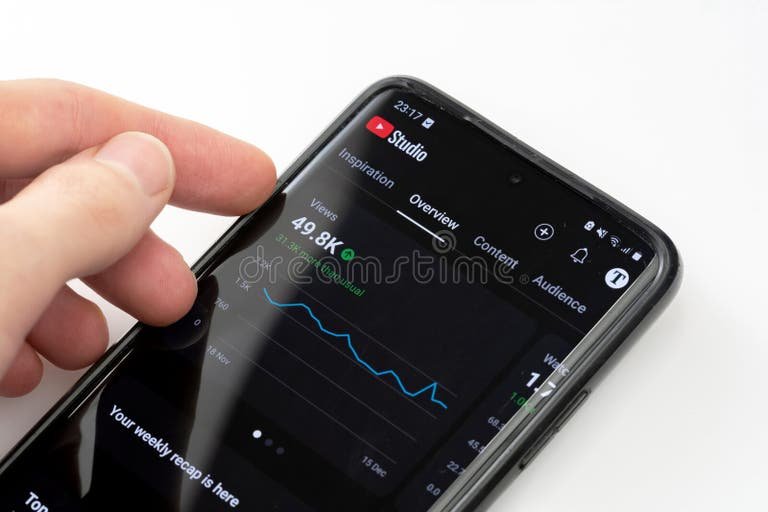
Look at views, watch time, engagement, traffic, conversions, and other meaningful metrics.
Step 7: Test Monetization
Once you understand what your audience values, experiment with appropriate revenue streams.

A Simple 90-Day Faceless Content Plan
Days 1–30: Build the Foundation
Choose your niche, establish your brand, research your audience, create your profiles, and publish your first pieces of content.
Don’t worry about perfection. Focus on developing a repeatable production process.
Days 31–60: Improve Quality
Analyze which topics and formats perform best.
Improve your:
- Titles
- Thumbnails
- Hooks
- Editing
- Storytelling
- Calls to action
- Content structure
Days 61–90: Build Monetization
Identify your strongest content categories and explore suitable monetization opportunities.
You could introduce affiliate recommendations, a digital product, a service, sponsorship opportunities, or another appropriate revenue stream.

Mistakes That Can Kill a Faceless Content Business
Chasing Every Trend
A trend may produce temporary views without building a valuable audience.
Copying Successful Channels
Study successful creators for inspiration, but develop your own perspective and presentation.
Publishing Low-Quality Content
More content isn’t necessarily better content.
Relying Entirely on Automation
Automated production can easily become repetitive and generic.
Ignoring Analytics
If you don’t study your audience’s response, you may continue producing content nobody wants.
Expecting Instant Income
Content businesses usually require time to develop an audience and test monetization.

Final Thoughts
The growth of faceless content side hustles in 2026 demonstrates that building an online audience doesn’t necessarily require becoming the face of a brand.
You can create educational videos, gaming content, tutorials, newsletters, niche websites, digital products, product reviews, business resources, and other forms of content without appearing on camera.
But the absence of a visible personality doesn’t mean the absence of a recognizable identity.
Your research, ideas, storytelling, expertise, visual style, and perspective can become the identity of the brand.
The most sustainable approach is therefore to focus on creating something genuinely useful rather than trying to exploit automated content production for quick views.
This is especially important for creators who hope to monetize through platforms such as YouTube. Current YouTube policies emphasize original, authentic content and warn against mass-produced, repetitive, and minimally transformed material.
Start with one niche. Choose one format. Create consistently. Learn from your audience. Improve your production quality. Then gradually introduce monetization methods that genuinely fit your content.
Faceless content isn’t about hiding from the audience. It’s about letting the value of the content take center stage.
Related posts:
 Hidden Side Hustles for 2026: Unique Ways to Earn More
 33 AI Side Hustles That Still Work in 2026 (Even After Saturation)
 High-Inflation Side Hustles That Scale With Rising Prices in 2026: 15 Profitable Ideas
 Weekend Side Hustles That Pay in Local Currency Instantly (2026 Guide)
 Mobile Phone-Only Side Hustles That Work in 2026 (No Laptop Needed)
 Side Hustles Africans Are Using to Earn in USD in 2026