
Job cuts in 2026 have reshaped how people think about income, security, and work. Across industries—from tech and media to finance, retail, and even healthcare—layoffs and hiring freezes have forced millions to rethink a once-stable career path.
But while traditional jobs have become less predictable, income opportunities have not disappeared. Instead, people are turning to side hustles that are faster to start, cheaper to run, and less dependent on one employer.
This article explores the most common and effective side hustles people are turning to after job cuts in 2026, why these options are growing, and what makes them realistic in a high-pressure economy.
Why Side Hustles Are Exploding After Job Cuts

Job losses in 2026 are not always about poor performance. Many cuts are driven by:
- Company cost reductions
- Automation and AI adoption
- Mergers and restructuring
- Economic uncertainty
As a result, people are no longer waiting for “the next job” to save them. Instead, they are building income buffers.
Side hustles offer:
- Faster cash flow than traditional hiring
- Multiple income streams instead of one paycheck
- Greater control during economic instability
For many, side hustles are no longer optional—they are financial insurance.
1. Freelancing and Contract Work

Freelancing remains the most common first move after job cuts.
People are monetizing skills they already have, including:
- Writing and editing
- Graphic design
- Video editing
- Virtual assistance
- Web and app support
Why freelancing works in 2026
- Businesses still need work done, even if they can’t hire full-time
- Short-term contracts feel safer for employers
- Platforms make client access immediate
Many laid-off workers are earning income within weeks, not months.
2. AI-Assisted Services (Not AI Replacement)

Instead of competing with AI, people are using it to offer faster, cheaper services.
Popular AI-assisted hustles include:
- Resume and LinkedIn profile optimization
- Content editing and rewriting
- Social media scheduling and planning
- Customer support automation setup
- Research and summarization services
The value is not in the AI itself, but in knowing how to apply it for real business needs.
These services are in high demand because most companies don’t have time to learn new tools themselves.
3. Content Creation and Monetization

After job cuts, many people turn to content creation—not as a hobby, but as a monetization channel.
Popular platforms in 2026
- TikTok
- YouTube
- Instagram Reels
- Substack
Niches gaining traction
- Career advice after layoffs
- Side hustle education
- Personal finance
- Storytelling and commentary
- Educational explainers
Faceless content formats allow people to earn without showing their identity, reducing pressure and exposure.
4. Selling Digital Products

Digital products are especially attractive after job loss because they:
- Require low upfront costs
- Can be created once and sold repeatedly
- Reach a global audience
Examples include:
- E-books and guides
- Notion and Canva templates
- Checklists and planners
- Mini-courses
Many people create products based on what they learned from their previous jobs, turning experience into income.
5. Online Tutoring and Skill Coaching

When jobs disappear, knowledge doesn’t.
People are monetizing skills through:
- English tutoring
- Exam preparation
- Software training
- Design and creative coaching
- Career transition mentoring
ou don’t need to be a professor. You just need to be one step ahead of your learner.
Online tutoring is flexible, scalable, and pays faster than most traditional job applications.
6. E-Commerce and Print-on-Demand
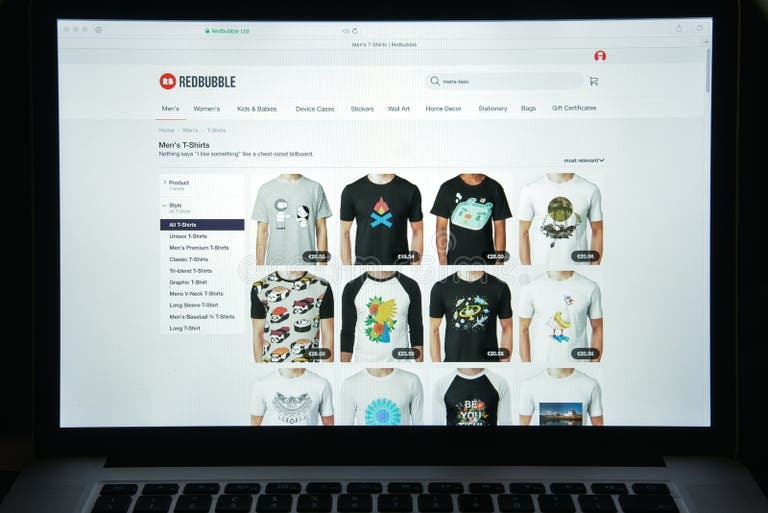
After job cuts, many turn to online selling because it doesn’t require physical storefronts.
Popular models include
- Print-on-demand clothing and merchandise
- Dropshipping niche products
- Selling digital downloads on marketplaces
Print-on-demand is especially popular because:
- No inventory is required
- Fulfillment is automated
- Branding can be done quickly
People focus on niche audiences, not mass markets.
7. Virtual Assistant and Remote Support Roles

Businesses that cut staff often outsource tasks instead of hiring.
This has increased demand for:
- Virtual assistants
- Customer support agents
- Community managers
- Admin and CRM support
These roles are ideal for people who:
- Are organized
- Communicate well
- Can manage multiple tools
Many former employees transition smoothly into these roles because the work feels familiar.
8. Affiliate Marketing and Referrals
[Image: Affiliate marketing analytics screen]
After layoffs, people look for income streams that don’t rely on hourly labor.
Affiliate marketing allows individuals to earn commissions by promoting:
- Software tools
- Courses
- Finance apps
- Subscriptions
Traffic sources include:
- Blogs
- Social media
- Email newsletters
While affiliate marketing takes time to build, it can generate long-term income with minimal ongoing effort.
9. Short-Term Gigs and Microtasks

Not everyone wants to start a business immediately.
Some people turn to:
- App testing
- Website feedback jobs
- Data tagging
- Micro freelance gigs
These hustles:
- Pay quickly
- Require little setup
- Provide short-term relief
They are often used as bridges, not permanent solutions.
10. Personal Branding and Consulting

Professionals affected by job cuts are discovering that their experience still has value.
They turn to:
- Consulting
- Coaching
- Strategy sessions
- Workshops
Even without formal credentials, experience in:
- Management
- Operations
- Sales
- HR
- Marketing
can be packaged into paid advice.
Why These Side Hustles Work After Job Cuts

The side hustles gaining traction in 2026 share common traits:
- Low startup cost
- Fast learning curve
- Flexible schedules
- Scalable income potential
ost importantly, they reduce dependence on one employer.
People are no longer asking, “How do I get another job?”
They are asking, “How do I make money while rebuilding?”
Common Mistakes to Avoid After Job Loss

Many newly laid-off workers make avoidable errors:
- Waiting too long before acting
- Choosing hustles that require high capital
- Expecting instant success
- Ignoring skill development
The most successful people start small, fast, and focused.
How to Choose the Right Side Hustle in 2026

Ask yourself:
- What skills do I already have?
- How quickly do I need income?
- Do I want active or passive work?
- Am I building short-term cash or long-term security?
The best side hustle is not the trendiest—it’s the one you can start now and sustain.
Final Thoughts: Side Hustles as a New Safety Net

Job cuts in 2026 have forced a hard truth into the open: job security is no longer guaranteed.
But they have also accelerated a powerful shift. People are learning to:
- Monetize skills directly
- Diversify income streams
- Build resilience outside traditional employment
Side hustles are no longer “extra money.”
For many, they are the foundation of financial recovery.
Those who adapt quickly don’t just survive job cuts—they emerge more independent, more skilled, and more prepared for the future.
Related posts:
 Hidden Side Hustles for 2026: Unique Ways to Earn More
 AI-Assisted Side Businesses in 2026: How Everyday People Are Earning Money With Intelligent Tools
 Top Side Hustles to Start Before 2026: Your Guide to Extra Income and Financial Freedom
 Side Hustles Africans Are Using to Earn in USD in 2026
 Best Side Hustles for 2026 to Start Making Money Now
 Side Hustles That Work Well in a Tough Economy