
As the cost of living continues to rise across many countries, job seekers are placing greater emphasis on finding employment quickly rather than waiting through lengthy recruitment processes. Fortunately, many employers in 2026 are streamlining hiring procedures to fill urgent vacancies, particularly in industries facing labor shortages or rapid growth.
Whether you’re unemployed, changing careers, graduating from university, or looking for a second income, understanding which industries hire quickly can significantly improve your chances of securing employment.
This guide explores the highest-demand jobs with fast hiring cycles in 2026, why employers are recruiting more rapidly, and how you can position yourself to receive job offers sooner.
Why Hiring Cycles Are Becoming Shorter
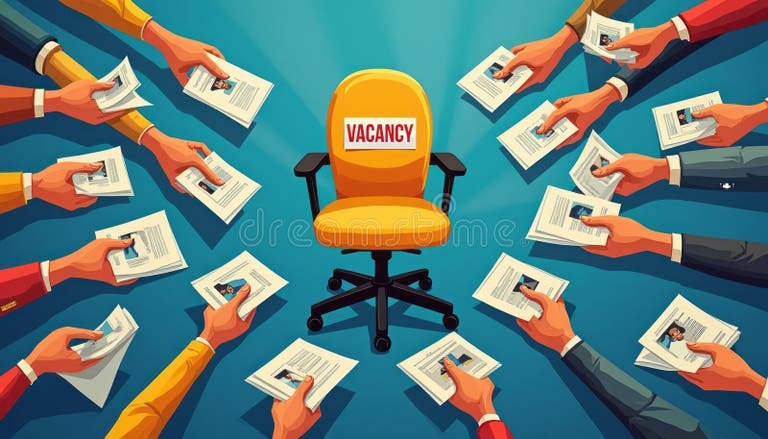
Companies are under increasing pressure to fill vacancies quickly. Delayed hiring can reduce productivity, increase operational costs, and place additional workloads on existing employees.
Several factors are contributing to faster recruitment:
- Ongoing labour shortages
- Expansion of remote work
- Increased contract employment
- AI-assisted recruitment software
- Growing demand for customer support
- Rapid business expansion
- Seasonal workforce needs
Many employers now complete recruitment in one to three weeks instead of the traditional four to eight weeks.
Skills Employers Want Most in 2026

Although technical skills remain valuable, employers increasingly prioritize adaptable candidates who can learn quickly and work efficiently.
Highly sought-after skills include:
- Communication
- Problem-solving
- Digital literacy
- Customer service
- Time management
- AI tool familiarity
- Team collaboration
- Adaptability
Candidates who combine technical knowledge with strong interpersonal skills often move through hiring processes more quickly.
1. Customer Support Specialists

Customer support remains one of the fastest-growing employment sectors.
Companies urgently recruit professionals for:
- Live chat support
- Email support
- Technical assistance
- Help desk services
- Customer success
- Remote call centres
Many positions require minimal experience and provide on-the-job training.
2. Healthcare Support Workers

Healthcare organizations continue experiencing staffing shortages.
Common fast-hiring roles include:
- Caregivers
- Medical receptionists
- Healthcare assistants
- Home support workers
- Administrative coordinators
Demand remains high due to aging populations and expanding healthcare services.
3. Warehouse and Logistics Staff

E-commerce growth has increased demand for logistics professionals.
Frequently advertised positions include:
- Warehouse assistants
- Inventory controllers
- Forklift operators
- Delivery coordinators
- Dispatch clerks
Many employers hire continuously throughout the year.
4. Sales Representatives

Businesses rely on sales professionals to generate revenue, making sales one of the quickest career paths to enter.
Hiring opportunities include:
- Retail sales
- Business development
- Inside sales
- Sales development representatives
- Account executives
Performance-based roles often have shorter recruitment processes because employers need revenue-generating staff quickly.
5. Remote Virtual Assistants

Remote businesses continue outsourcing administrative work to virtual assistants.
Typical responsibilities include:
- Email management
- Scheduling appointments
- Calendar organisation
- Travel coordination
- Data entry
- Customer communication
Virtual assistant positions remain popular because they often require modest startup costs and offer flexible work arrangements.
6. Digital Marketing Specialists

Businesses continue investing heavily in online marketing.
Fast-growing positions include:
- Social media coordinators
- SEO specialists
- Content marketers
- Email marketing assistants
- PPC campaign managers
Candidates with practical portfolios often receive interviews faster than those relying solely on academic qualifications.
7. IT Support Technicians

Technology departments require ongoing support for both office-based and remote employees.
Common vacancies include:
- Help desk technicians
- Desktop support
- Network assistants
- Technical support specialists
- System administrators
Basic IT certifications can improve employability significantly.
8. Delivery Drivers

Online shopping continues driving demand for delivery services.
Employers frequently recruit:
- Parcel delivery drivers
- Food delivery drivers
- Courier operators
- Fleet assistants
Many organizations prioritize rapid recruitment to meet customer delivery expectations.
Why Contract Jobs Are Growing

Many organizations prefer short-term contracts because they provide greater flexibility while responding to changing market conditions.
For job seekers, contract roles offer several benefits:
- Faster hiring
- Valuable work experience
- Networking opportunities
- Skill development
- Potential permanent employment
Accepting contract positions can often lead to full-time offers after demonstrating strong performance
9. Cybersecurity Analysts

As cyber threats continue to increase, organizations across industries are expanding their cybersecurity teams. Many employers are accelerating recruitment to protect sensitive data and meet regulatory requirements.
Common roles include:
- Security analysts
- Incident response specialists
- Security operations center (SOC) analysts
- Compliance assistants
- Vulnerability assessment technicians
Candidates with certifications and practical experience are often prioritized for fast-track hiring.
10. Skilled Trades Professionals

Demand for electricians, plumbers, welders, HVAC technicians, and maintenance specialists remains strong in many regions.
These professions often offer:
- Competitive salaries
- Apprenticeship opportunities
- Stable employment
- Career progression
Many employers simplify hiring because qualified skilled trades workers remain in short supply.
11. AI and Automation Specialists
Businesses continue adopting AI-powered technologies to improve efficiency.
Fast-growing positions include:
- AI implementation assistants
- Automation specialists
- Prompt engineers
- AI trainers
- Workflow automation consultants
Even professionals without advanced programming backgrounds can find opportunities by learning popular AI platforms and automation tools.
12. Financial Services Support
Banks, insurance companies, and financial technology firms continue hiring professionals for customer-facing and administrative roles.
Examples include:
- Claims administrators
- Loan processing officers
- Banking consultants
- Financial support representatives
- Compliance assistants
Strong attention to detail and communication skills remain highly valued.
13. Hospitality and Tourism Staff
As travel and tourism continue to recover and expand in many regions, employers frequently recruit the following:
- Hotel receptionists
- Guest service agents
- Restaurant supervisors
- Event coordinators
- Tourism assistants
Many businesses hire year-round, particularly before peak travel seasons.
Industries with the Fastest Hiring Growth
Several industries are expected to continue recruiting aggressively throughout 2026 due to technological advancements, demographic changes, and evolving consumer demand.
Key growth sectors include the following:
- Healthcare
- Information Technology
- Artificial Intelligence
- Renewable Energy
- Logistics and Supply Chain
- Financial Technology (FinTech)
- Digital Marketing
- E-commerce
- Cybersecurity
- Professional Business Services
Focusing your job search on these industries can significantly improve your chances of receiving interview invitations.
How to Get Hired Faster in 2026
Landing a job quickly involves more than simply submitting applications. Employers increasingly seek candidates who demonstrate preparation, professionalism, and adaptability.
Tailor Every CV
Customize your CV for each position by highlighting relevant experience, measurable achievements, and keywords from the job description.
Optimize Your LinkedIn Profile
Recruiters frequently search LinkedIn for candidates before advertising roles. Ensure your profile includes a professional photo, updated experience, certifications, and industry-specific keywords.
Learn AI Tools
Familiarity with workplace AI tools is becoming valuable across many professions, even outside the technology sector.
Apply Early
Many companies begin reviewing applications immediately after posting vacancies. Applying within the first 24–72 hours may increase visibility.
Prepare for Virtual Interviews
Remote interviews remain common. Test your equipment, choose a quiet location, and practice answering common interview questions confidently.
Common Mistakes That Delay Hiring
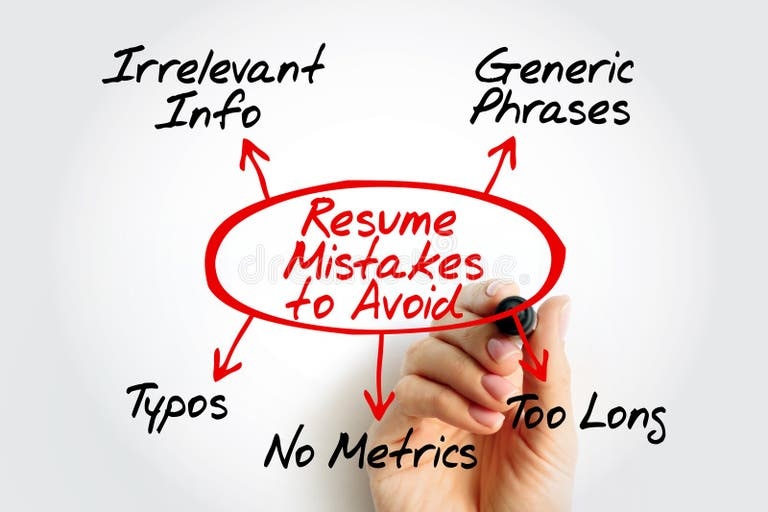
Avoid these common job search errors:
- Sending the same generic CV to every employer.
- Ignoring cover letters when requested.
- Applying for roles without meeting basic qualifications.
- Failing to follow application instructions.
- Neglecting LinkedIn and other professional profiles.
- Not researching the company before interviews.
- Waiting too long to follow up after interviews.
Small improvements throughout the application process can significantly increase your chances of success.
Future Employment Trends

The employment market will continue evolving beyond 2026.
Several trends are expected to influence hiring:
- Increased AI-assisted recruitment
- Skills-based hiring over degree requirements
- Continued growth in remote and hybrid work
- Expansion of contract and freelance employment
- Greater emphasis on digital literacy
- More investment in employee upskilling
Candidates who embrace continuous learning and remain adaptable will be better positioned for long-term career success.
Conclusion
In 2026, rising living costs and evolving business needs have accelerated recruitment across numerous industries. Employers are increasingly simplifying hiring processes to secure qualified candidates quickly, creating valuable opportunities for job seekers who are prepared and adaptable.
Whether you’re pursuing opportunities in healthcare, technology, logistics, digital marketing, customer support, cybersecurity, or skilled trades, focusing on industries with strong demand and short hiring cycles can help reduce the time it takes to find employment.
Success also depends on presenting yourself effectively. A tailored CV, an optimized LinkedIn profile, relevant certifications, and familiarity with modern workplace technologies—including AI tools—can make you a more competitive candidate.
By targeting high-demand sectors, continuously developing your skills, and applying strategically, you can improve your chances of securing meaningful employment quickly while positioning yourself for long-term career growth in an increasingly competitive job market.
Related posts:
 Jobs in High Demand with Quick Hiring Cycles in 2025
 Top University Degrees That Lead to High-Demand Jobs in South Africa (2026 Guide)
 Job Search in a Tough Economy: How to Get Hired Faster in 2026
 Hiring Trends to Watch in 2026: Skills Employers Are Actively Recruiting Right Now
 AI Sales Email Personalization Service: The Future of High-Converting Outreach
Urgent Hiring Sectors in 2025: Industries With the Most Job Openings Right Now
AI Sales Email Personalization Service: The Future of High-Converting Outreach
Urgent Hiring Sectors in 2025: Industries With the Most Job Openings Right Now