
The job market in 2026 is one of the most competitive in recent history. Economic pressure, corporate restructuring, automation, and tighter hiring budgets mean that more skilled candidates are competing for fewer open roles. For job seekers, this has made the traditional “apply and wait” approach ineffective.
Yet, despite the pressure, people are still getting hired—and often faster than expected. The difference is not luck. It is strategy.
This guide explains how to get hired faster in 2026, even in a tough economy, by aligning your job search with how employers are actually hiring today.
Why Job Searching Is Harder in 2026

Understanding the current environment is the first step to navigating it successfully.
Several forces are shaping the 2026 job market:
- Companies are reducing headcount to manage costs
- Hiring freezes are common across industries
- Employers rely heavily on AI screening tools
- Job roles now combine multiple responsibilities
- Remote jobs attract applicants from around the world
This means that even highly qualified candidates are being filtered out—not because they lack ability, but because they are using outdated job search methods.
In 2026, the job market rewards precision over volume.
Step 1: Stop Mass Applying and Get Targeted

One of the biggest mistakes job seekers make during a tough economy is applying to every available role.
Why mass applying slows you down:
- Applicant Tracking Systems (ATS) detect unfocused resumes
- Generic applications blend into the crowd
- Recruiters prioritize candidates who clearly fit the role
Instead of applying to 50–100 jobs, narrow your focus.
What works better in 2026
- Choose one primary role and one backup role
- Tailor your resume for each role type
- Adjust keywords and summaries to match each job description
Ten focused applications will outperform one hundred random ones.
Step 2: Build a Resume That Passes ATS and Humans
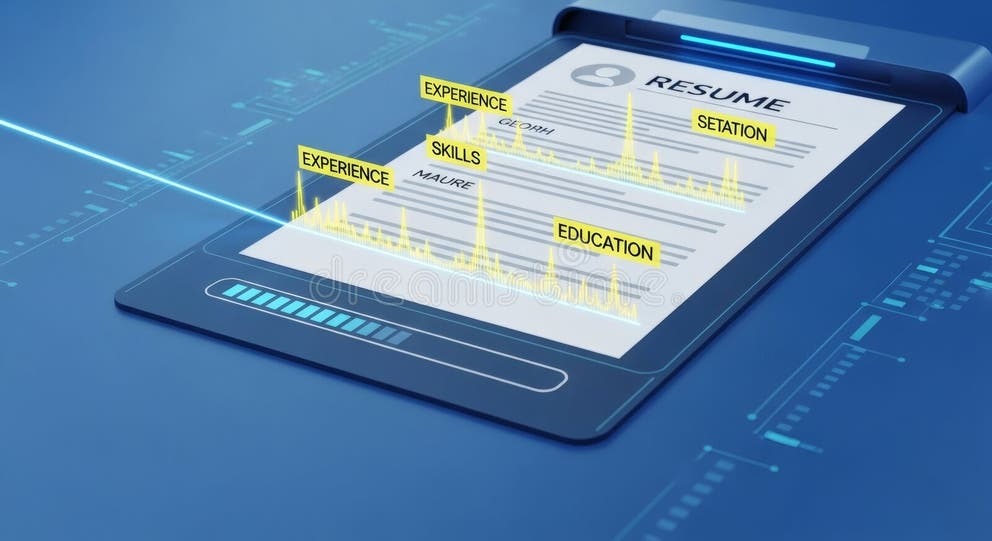
In 2026, your resume must succeed at two levels:
- Automated screening systems
- Human recruiters scanning quickly
Modern resume best practices
- Use clean, simple formatting
- Avoid graphics, tables, or columns
- Match keywords directly from job listings
- Emphasize measurable results
Example
❌ “Handled customer inquiries”
✅ “Resolved 60+ customer tickets weekly with a 95% satisfaction score”
Hiring managers don’t hire responsibilities—they hire results.
Step 3: Optimize Your Online Presence
Recruiters rarely rely on resumes alone anymore. Your digital footprint matters.
In 2026, employers routinely check:
- LinkedIn profiles
- Personal websites or portfolios
- Google search results
- Public social media activity
How to strengthen your presence
- Write a clear LinkedIn headline that states what you do and the value you bring
- Add quantified achievements to your profile
- Keep your profile activity consistent
- Make it easy for recruiters to contact you
Many candidates are hired in 2026 because a recruiter found them online first.
Step 4: Learn Skills That Reduce Employer Risk
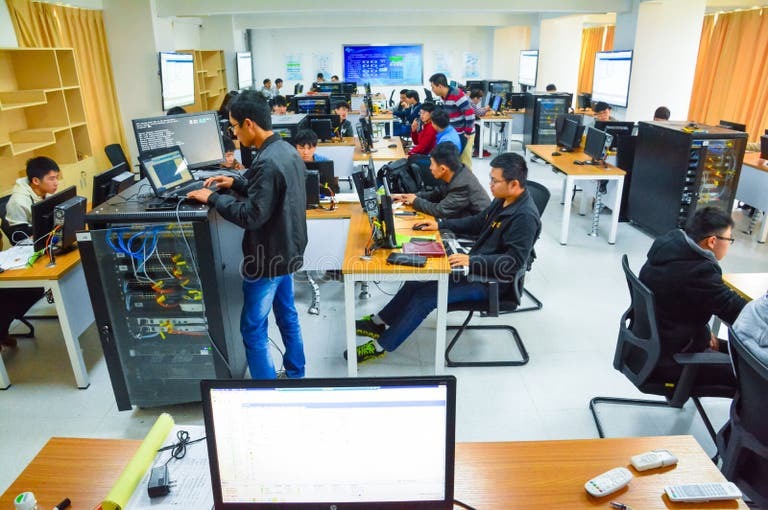
In a tough economy, employers want people who can contribute immediately.
They prioritize candidates who:
- Learn quickly
- Adapt to new tools
- Require minimal training
High-impact skills in 2026
- AI-assisted productivity tools
- Data interpretation and reporting
- Clear business communication
- Project coordination
- Digital marketing fundamentals
You don’t need another degree. You need evidence of relevance—projects, certifications, or real-world application.
Step 5: Network Without Asking for Jobs
[Image: Professional networking conversation]
Networking in 2026 is not about begging for opportunities. It’s about visibility and value.
Effective networking strategies
- Engage thoughtfully with industry content on LinkedIn
- Share insights or lessons from your field
- Reach out with genuine curiosity
Example message
“Hi [Name], I enjoyed your post on hiring trends this year. I’m preparing for roles in [field] and would love to hear what skills you think matter most right now.”
This approach builds relationships and keeps you top of mind—without asking directly for a job.
Step 6: Go Beyond Job Boards
[Image: Researching target companies]
Job boards are overcrowded in 2026, but they are not the only path to employment.
Smart job seekers also:
- Identify companies they admire
- Monitor business growth and expansion
- Apply directly through company websites
- Contact hiring managers with tailored messages
Why this works
- Fewer applicants
- Higher response rates
- Stronger alignment with company needs
Targeting specific companies gives you a strategic edge.
Step 7: Prepare for Modern Interview Formats

Interviews in 2026 look different from the past.
Common formats include:
- Recorded video interviews
- AI-scored assessments
- Case-based interviews
- Skill simulations
How to prepare
- Practice structured answers using real examples
- Focus on how you solve problems
- Explain how you use tools to improve efficiency
- Demonstrate adaptability
Employers now evaluate thinking ability, not memorized answers.
Step 8: Be Open to Contract and Hybrid Roles

Permanent roles are limited during tough economic periods—but work still exists.
Many companies now prefer:
- Short-term contracts
- Project-based roles
- Freelance-to-full-time arrangements
These roles:
- Are faster to secure
- Reduce risk for employers
- Allow you to prove value quickly
In 2026, many full-time hires start as temporary engagements.
Step 9: Treat Your Job Search Like a Project

Job searching in a tough economy can be emotionally draining, but mindset matters.
Key shifts that help:
- Rejections are often algorithmic, not personal
- Silence does not equal failure
- Skill-building always compounds
- You only need one opportunity to succeed
Approach your job search with structure:
- Track applications
- Measure responses
- Adjust strategy weekly
This turns frustration into forward momentum.
Common Job Search Mistakes in 2026

Avoid these errors:
- Using the same resume everywhere
- Ignoring LinkedIn optimization
- Depending only on job boards
- Avoiding skill upgrades
- Waiting instead of iterating
The job market rewards adaptation, not persistence alone.
Final Thoughts: Getting Hired Faster in 2026

Yes, the economy is tight. Yes, competition is intense.
But people are getting hired faster in 2026 because they:
- Apply strategically, not emotionally
- Show value, not just credentials
- Stay visible where employers look
- Continuously adapt their approach
The job market has not disappeared—it has evolved.
Those who understand the shift and adjust their strategy are not just surviving a tough economy—they are winning in it.
Related posts:
 Side Hustles That Work Well in a Tough Economy
 The Ultimate Guide to Active Job Searching: Strategies to Stand Out in 2026
 Stand Out in the 2026 Job Market: Your Complete Career Guide”
 Hidden Side Hustles for 2026: Unique Ways to Earn More
 Side Hustles People Are Turning to After Job Cuts in 2026.
 Remote vs On-Site Jobs in 2026: What Employers Are Offering Today